Imagine how it looked then
Imagine standing on the plain of Marathon after the battle. The air still dusty. The sea not far away. And then the long work of goodbye: earth, piled by hand, over one hundred and ninety-two Athenians who did not come home.
They called the mound the Soros. It is not a palace and it is not a statue. It is a simple hill. If you did not know the story, you might walk past it and think only: what a quiet place.
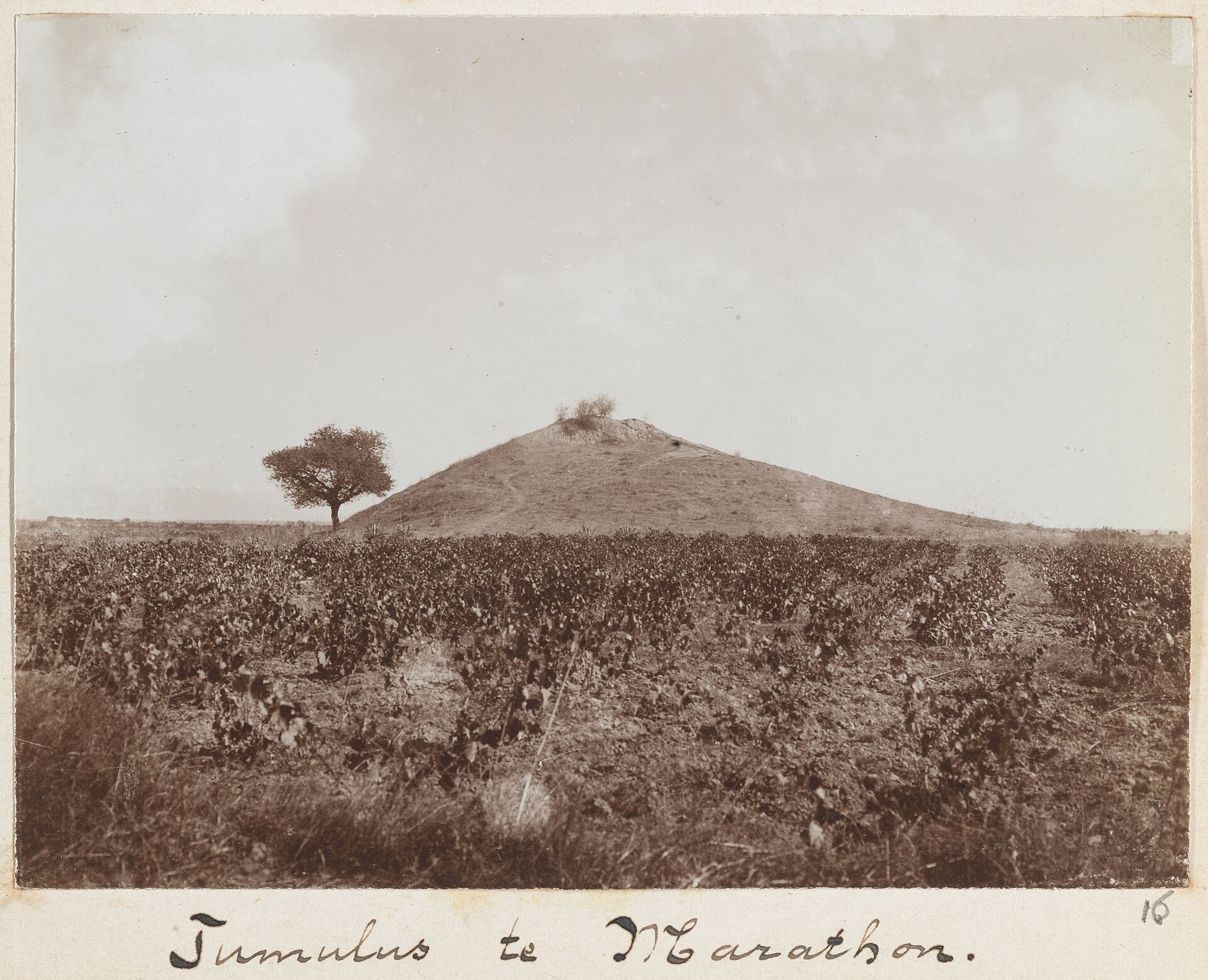
The tumulus around 1898. Photograph: Rijksmuseum, Amsterdam. Public domain (CC0).

I look at old pictures and try to see it as travelers once did — a bare hill on an open plain, one tree leaning beside it, the mountains far behind. And I look at it now, in spring, when small flowers cover the grass and olive trees stand around it as if they have always belonged there.
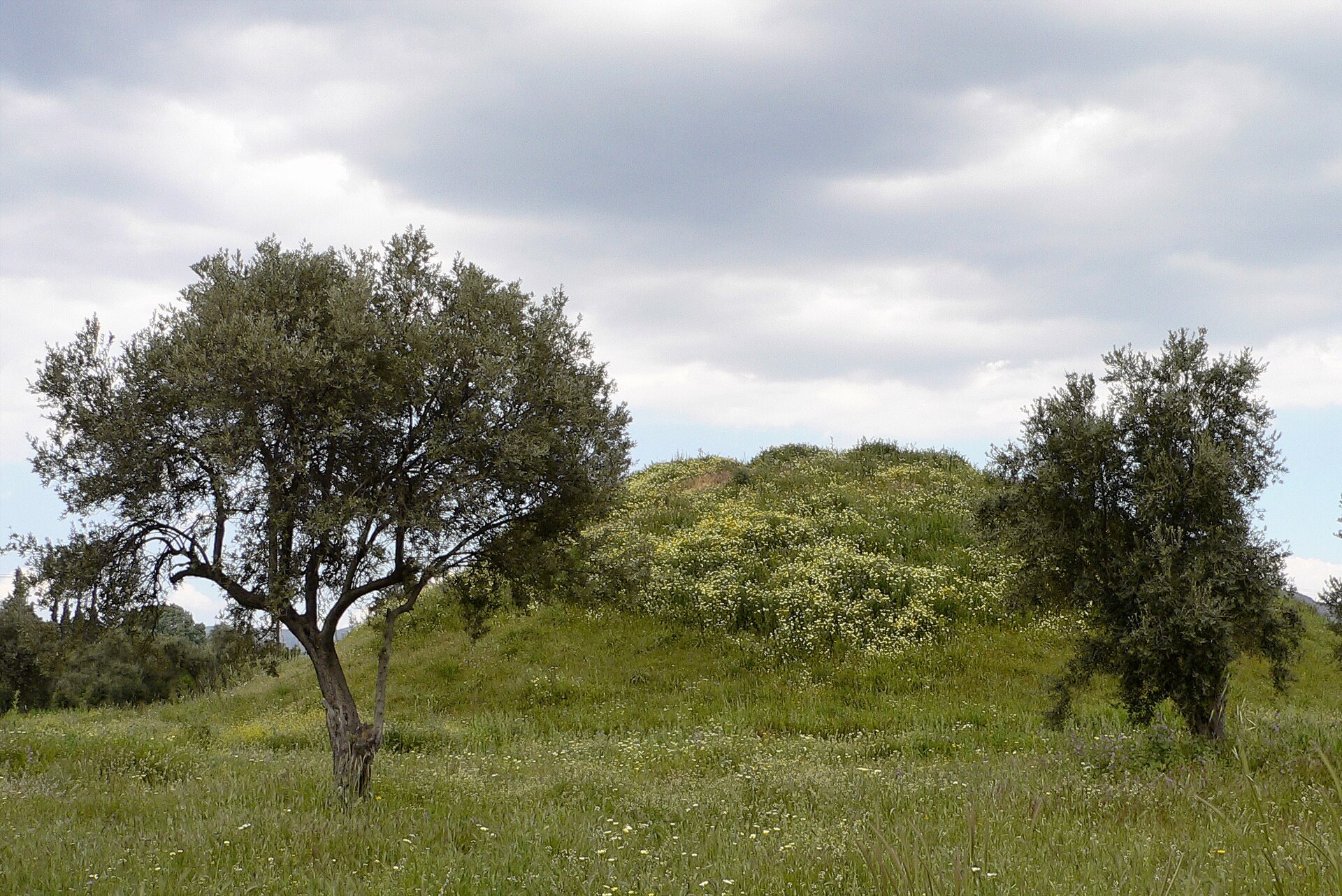
The mound today, in spring. Photo: George Fournaris, 23 April 2005. CC BY-SA 4.0.

Imagine how it must have looked then, so soon after 490 BC. No path, no sign. Just a new hill of earth, and people who knew exactly who was under it. The flowers would have come back the next spring, as they still do. That is what stays with me: the land keeping the shape of a goodbye.
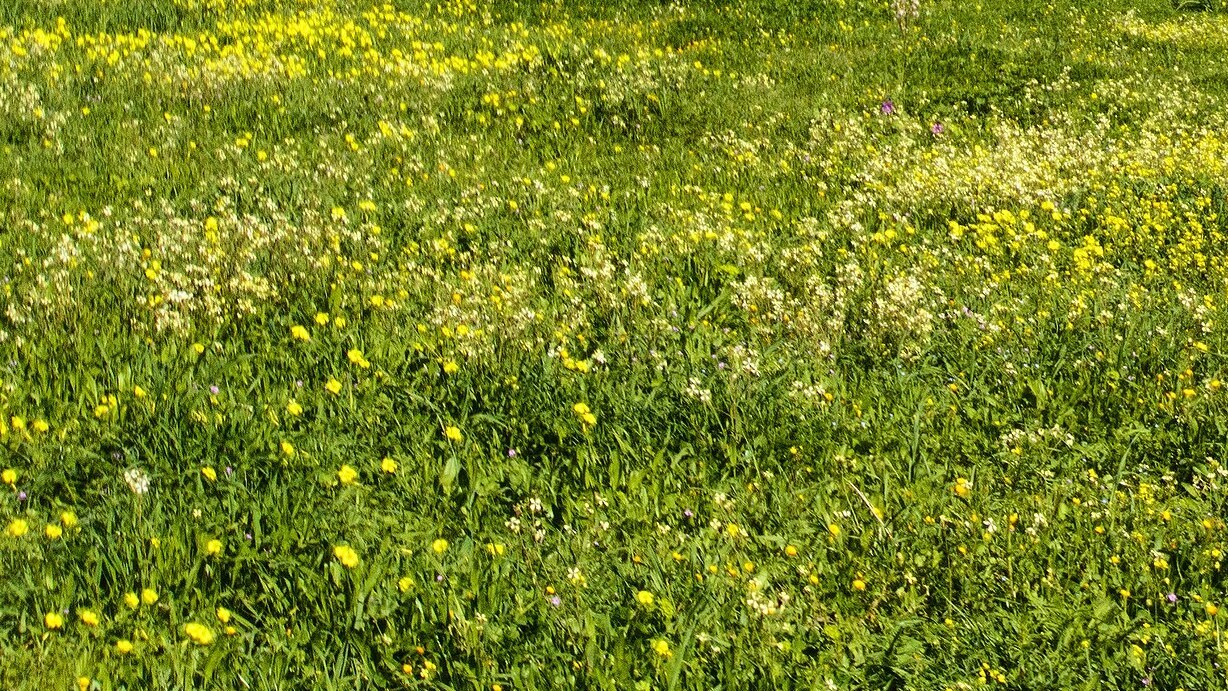
Spring flowers at the foot of the mound. Photo: George Fournaris, 25 February 2016 (detail). CC BY-SA 4.0.

This is how a young Athenian woman was shown in those same years. Not a name from the mound — just a face from that time, with a little paint still left in her hair.
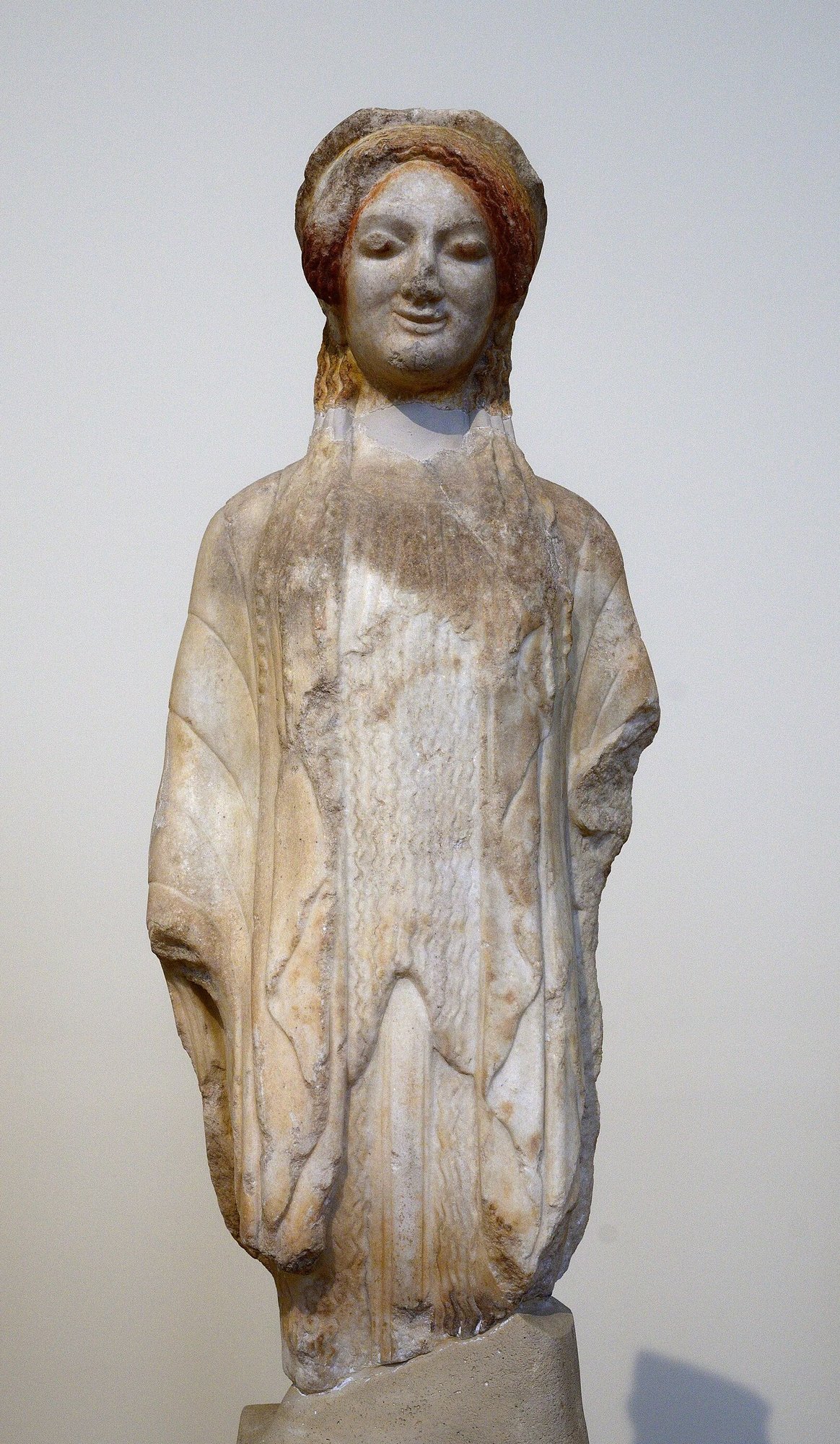
A young Athenian woman, about 490 BC. Kore from the Acropolis (no. 687). Photo: Zde, 11 June 2022. CC BY-SA 4.0.

I made a 3D model of this hill, so you can turn it in your hands or open it in AR — not instead of going there, but so the story can travel.
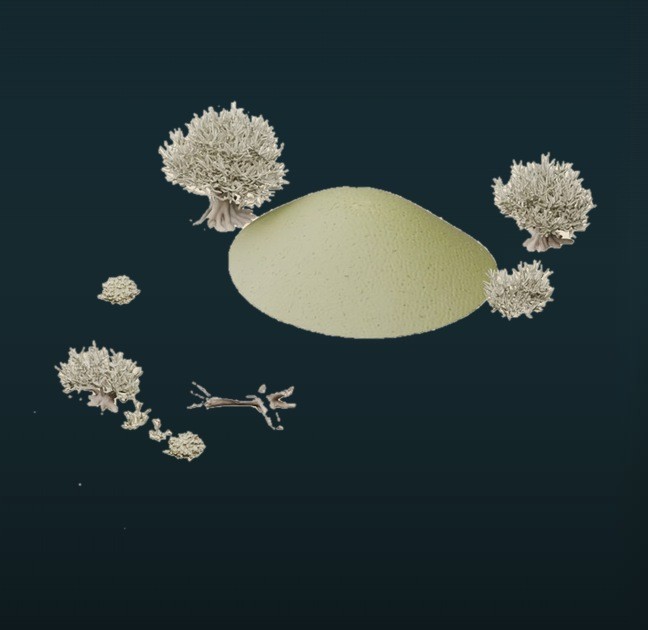
My 3D model of the tumulus.
You can see it here: Tumulus of Marathon. I also pinned it on my Google map. The land on EarthMeta is here.
Maybe that is enough: a hill, some flowers, and the thought of how it once felt to stand in front of it.
Notes by email
New stories when I publish. No spam.