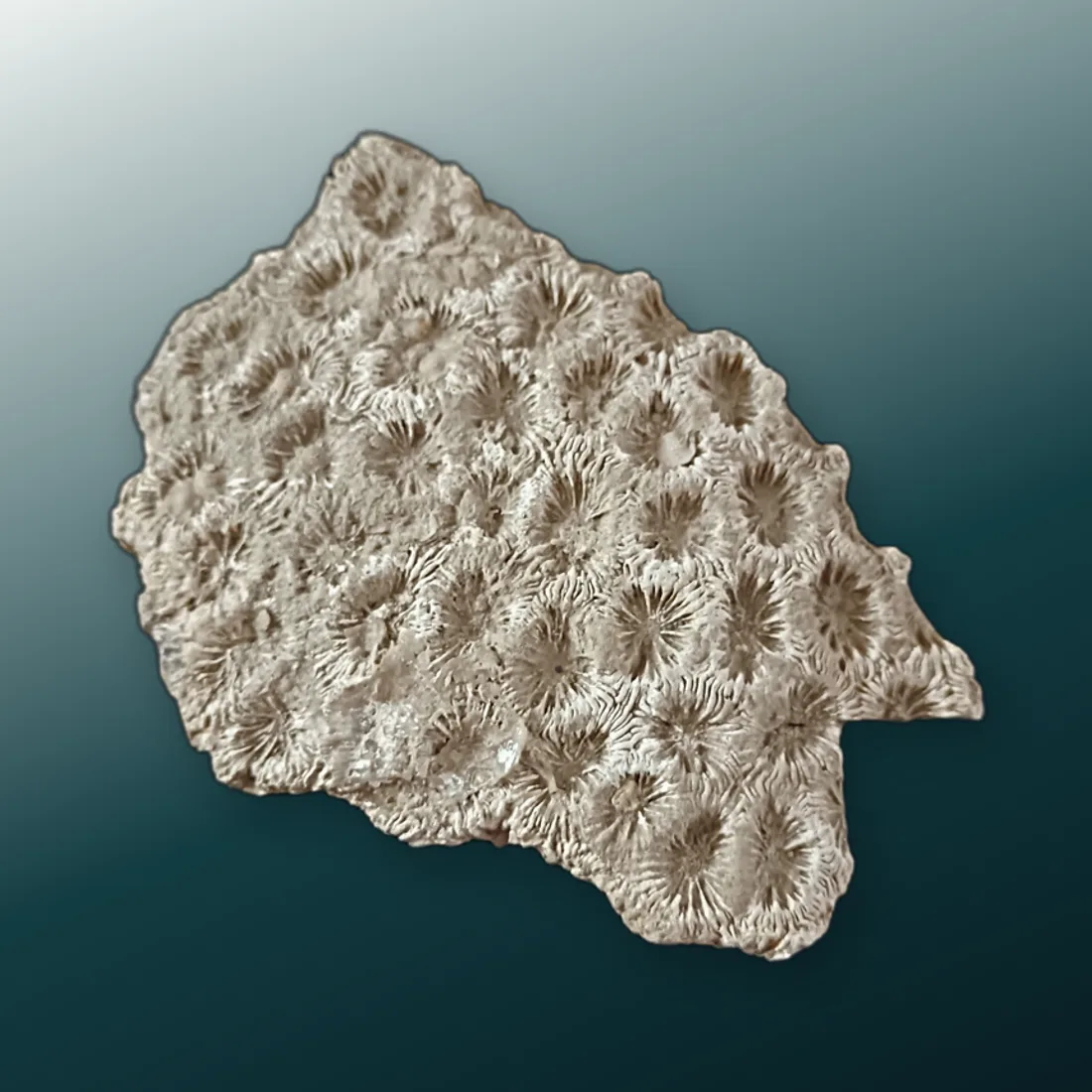
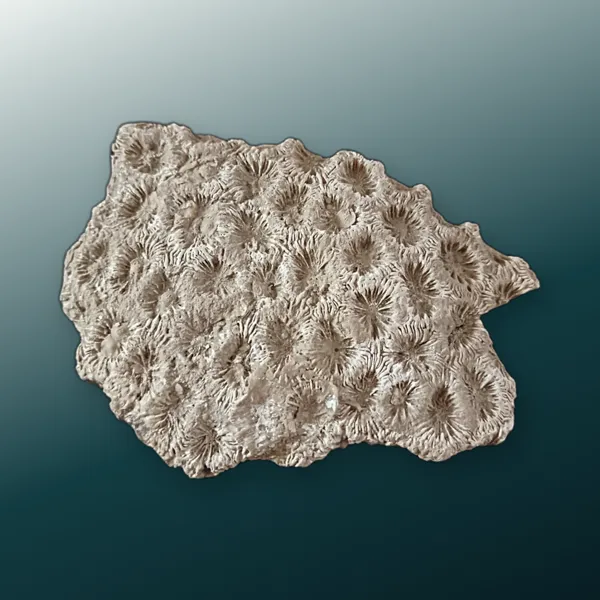
No. 05
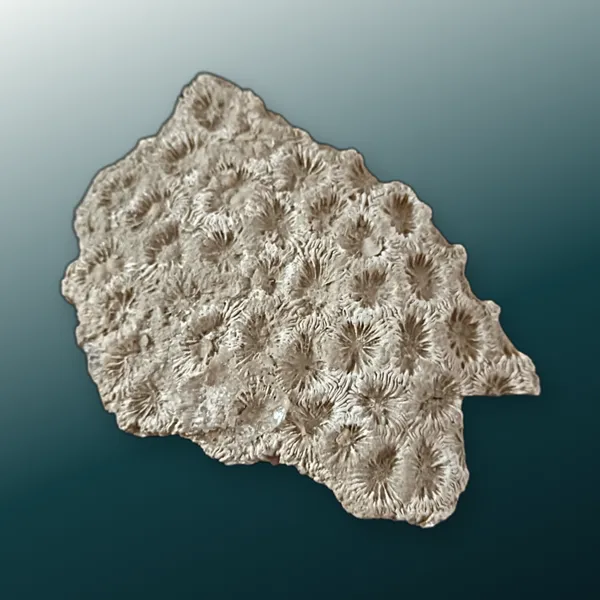
Fossil coral · Felli, Grevena, Greece · Aquitanian (Early Miocene), about 23–20 million years
More info
Latin name
Favites oligocenica Chevalier, 1955, a colonial stony coral (Scleractinia, family Merulinidae). The label spells it “oligocoenica”; the name as published is oligocenica. The species was first described from the Oligocene–Miocene of north-western Greece. Collected in 2021.
Where it was found
Felli (Φέλλι), south-east of Grevena, Western Macedonia, Greece. The exact spot is not recorded; the studied Felli section lies on the banks of the Aliakmon river east of the village.
Geological layer
Mesohellenic Trough. At Felli the rocks belong to the uppermost Pentalofos Formation (sandstones, conglomerates and silty marls); in the Grevena area it is overlain by the Tsotyli Formation. Which bed this coral came from is not known.
Age
Aquitanian, the first stage of the Miocene, about 23–20 million years (label). This matches the published age of the Felli section. Uncertain: the fossil database lists this species from the Late Oligocene (Chattian) of Greece and the Middle Miocene of Romania, but no Aquitanian record, so this specimen may be a new or unpublished occurrence.
Description
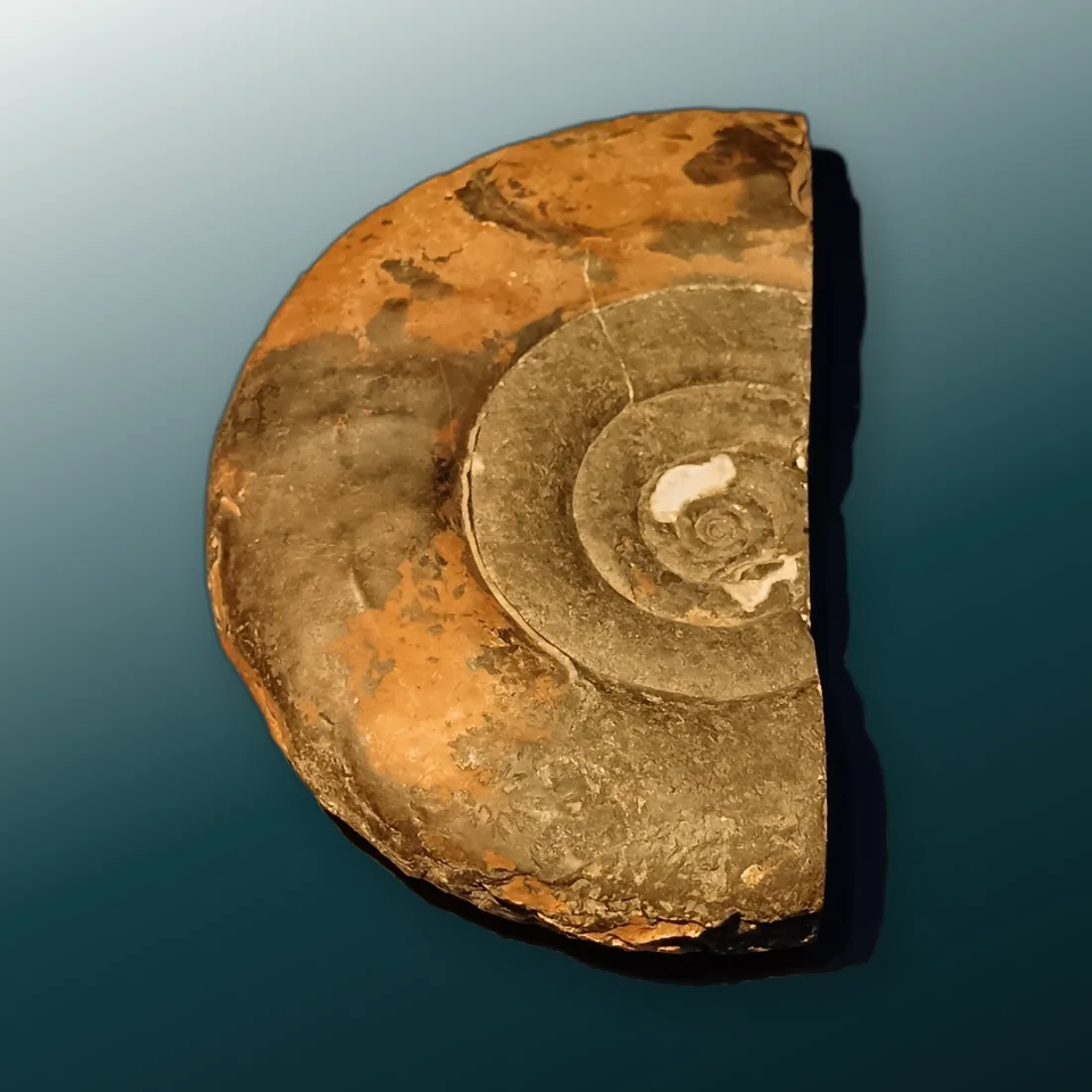
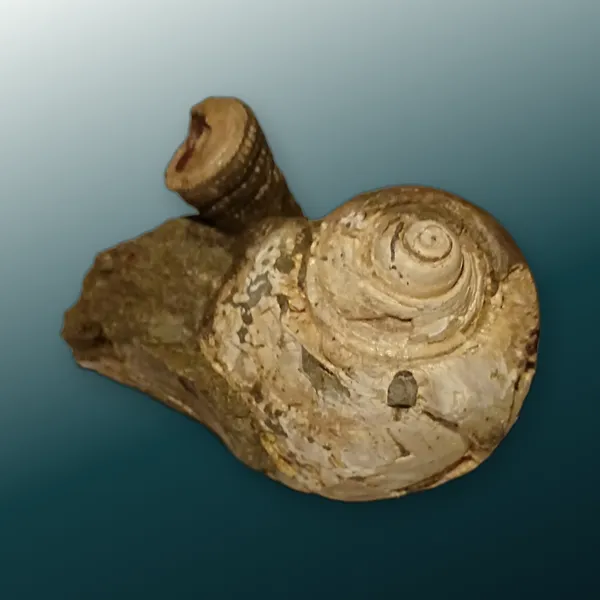
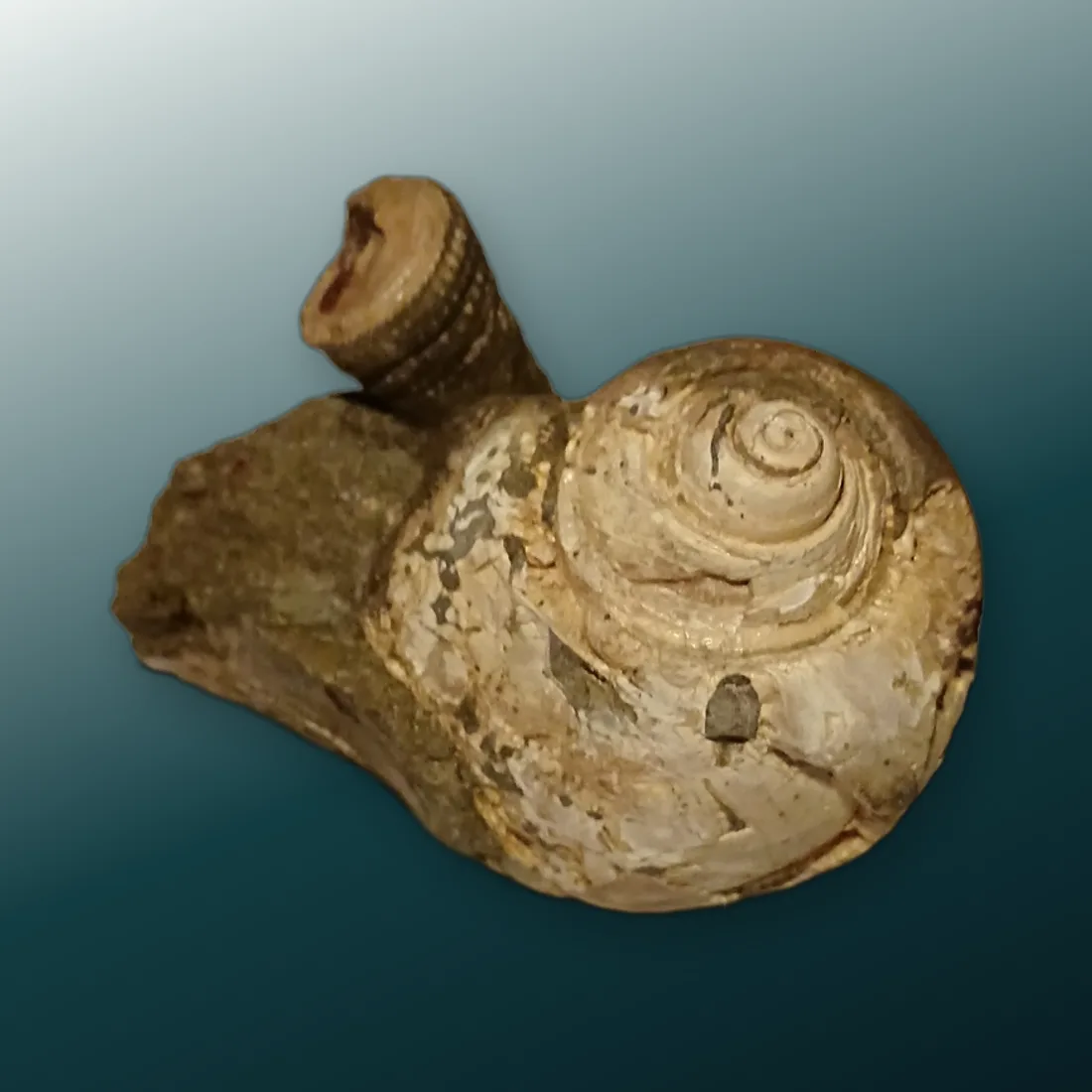
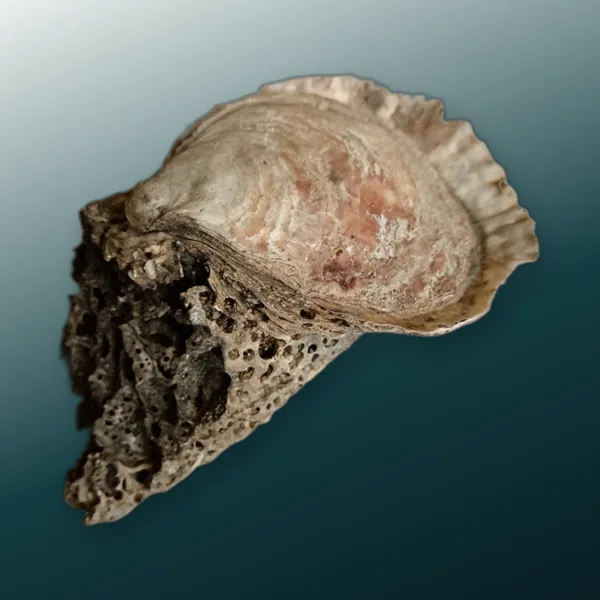
Favites builds colonies of many small polyps, each sitting in its own star-shaped cup with radiating walls (septa); you can see them clearly on this piece. Like living Favites, it most likely held algae in its tissue and needed warm, clear, sunlit shallow water. In the Oligocene and Early Miocene this basin was an arm of the sea between the proto-Mediterranean and the Paratethys. Uncertain: the published papers on the Felli section describe a shallow shelf and coastal mudflats, not a reef, so whether this coral grew in a true reef or as a single colony is not known.
Other finds from the same rocks
From the same Felli section: 19 kinds of fossil fish known from their ear stones (otoliths), including two species new to science, Ariosoma mesohellenica and Gnathophis elongatus; more than 40 kinds of sea snails, and coastal mudflat snails such as Terebralia and Mesohalina margaritacea. In older Oligocene layers of the same basin (Doutsiko, Mesolouri) lie real coral reefs, such as the “Petra Reef”, and an Acropora coral layer.
Sources
- Agiadi, Koskeridou & Thivaiou 2021, Fossil Record 24 – the Felli section: Pentalofos Formation, Aquitanian age, fish otoliths (open access)
- Thivaiou, Harzhauser et al. 2019 – Early Miocene gastropods from the Felli section
- Paleobiology Database – Favites oligocenica Chevalier, 1955
- Mindat – Favites oligocenica (cites Schuster 2002, Courier Forschungsinstitut Senckenberg 239)
- Bulletin of the Geological Society of Greece – stratigraphy of the Mesohellenic Trough
- Courier Forschungsinstitut Senckenberg 248 (2004) – Oligocene reefs and molluscs of the Mesohellenic Trough
Scleractinia ↗Coral reef ↗Miocene ↗Grevena ↗Favites (Wikipedia) ↗Aquitanian (Wikipedia) ↗
For kids
This stone was once a coral, a colony of tiny animals that lived together like a city. Each little star was the home of one animal. About 20 million years ago they grew in a warm sea where the mountains of Grevena are today.
Questions for the class
- What do you think this living thing looked like when it was alive?
- How can a shell turn into stone?

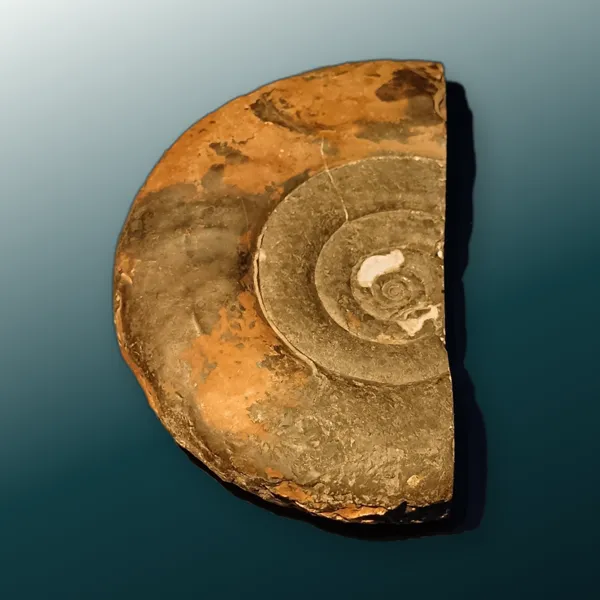 Fossil 01 · ammoniteIdentified by: N. Bacharidis, Thessaloniki
Available to mint3D model (in preparation)